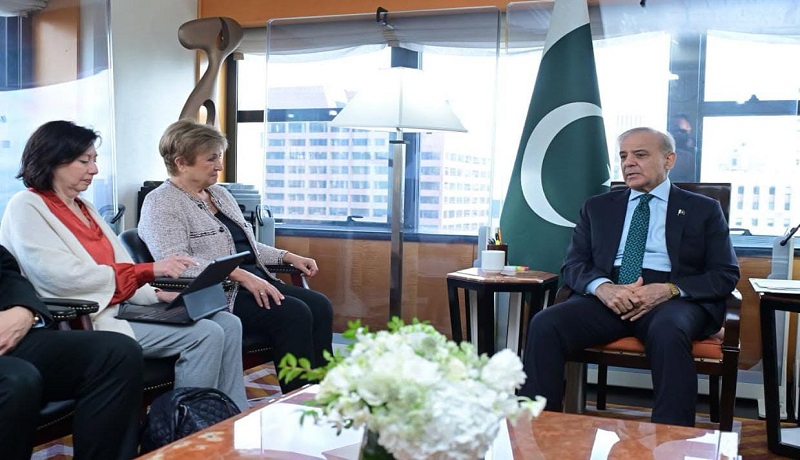
نجکاری کے عمل میں صارفین کے مفاد کو ترجیح دی جائے،وزیراعظم کی ہدایت
 ADMIN
ADMIN Date: July 14, 2026
The World Health Organization (WHO) has released its Global Status Report on Cancer 2026, delivering a sobering forecast: without immediate and systemic intervention, the number of new cancer cases worldwide is projected to nearly double by 2050, potentially reaching 35 million new cases annually.
The Scale of the Crisis
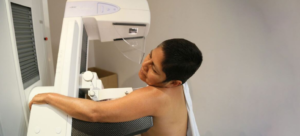
Cancer is currently one of the world’s leading causes of death, claiming more than 26,000 lives every day. The report highlights that while medical science has made significant strides, a “stark inequality” persists in survival rates between high-income and low-income nations. For example, women diagnosed with breast cancer in high-income countries have an 87% five-year surviva
l rate, a figure that plummets to 42% in low-income regions.
Key Drivers and Preventable Risks
The WHO emphasizes that nearly four in ten cancer cases are linked to preventable risk factors. The evolving profile of the disease is increasingly driven by modern lifestyle and environmental factors, including:
-
Rising rates of obesity and physical inactivity
-
Unhealthy dietary habits
-
Exposure to air pollution
-
Continued use of tobacco and alcohol
“Cancer prevention must remain a political priority,” state
d experts from the International Agency for Research on Cancer (IARC). While tobacco control and vaccination programs (particularly for HPV and Hepatitis B/C) have shown success, the report warns that the pace of p
rogress is currently too slow to counteract emerging environmental risks.
A Call for Equitable Care
The report is not just a summary of medical data; it is a ple
a for policy reform. The WHO urges governments to integrate cancer care into universal health coverage. Currently, fewer than one in three countries include comprehensive cancer care in their public health packages.
Beyond the medical toll, the report sheds light on the lived experience of patients, finding that nearly 45% of those affected by cancer experience significant financial hardsh
ip, and more than half report ongoing mental health challenges.
The Path Forward: Three Strategic Shifts
To combat this projected rise, the report proposes a framework
based on three strategic shifts:
-
Better Capabilities: Investing in early detection, timely diagnosis, and modern treatment infrastructure.
-
Better Protections: Strengthening prevention policies, specifically targeting tobacco, alcohol, and environmental pollutants.
-
-
Better Value: Ensuring that life-saving medications are affordable and accessible, rather than restricted by regional economic disparities.
As the global community reflects on these findings, the message is clear: addressing the cancer burden requires moving beyond simple medical diagnosis and engaging in a unified, equitable global effort to protect future generations.